AI Will Affect Everyone's Future. Its Governance Can't Belong to a Few.
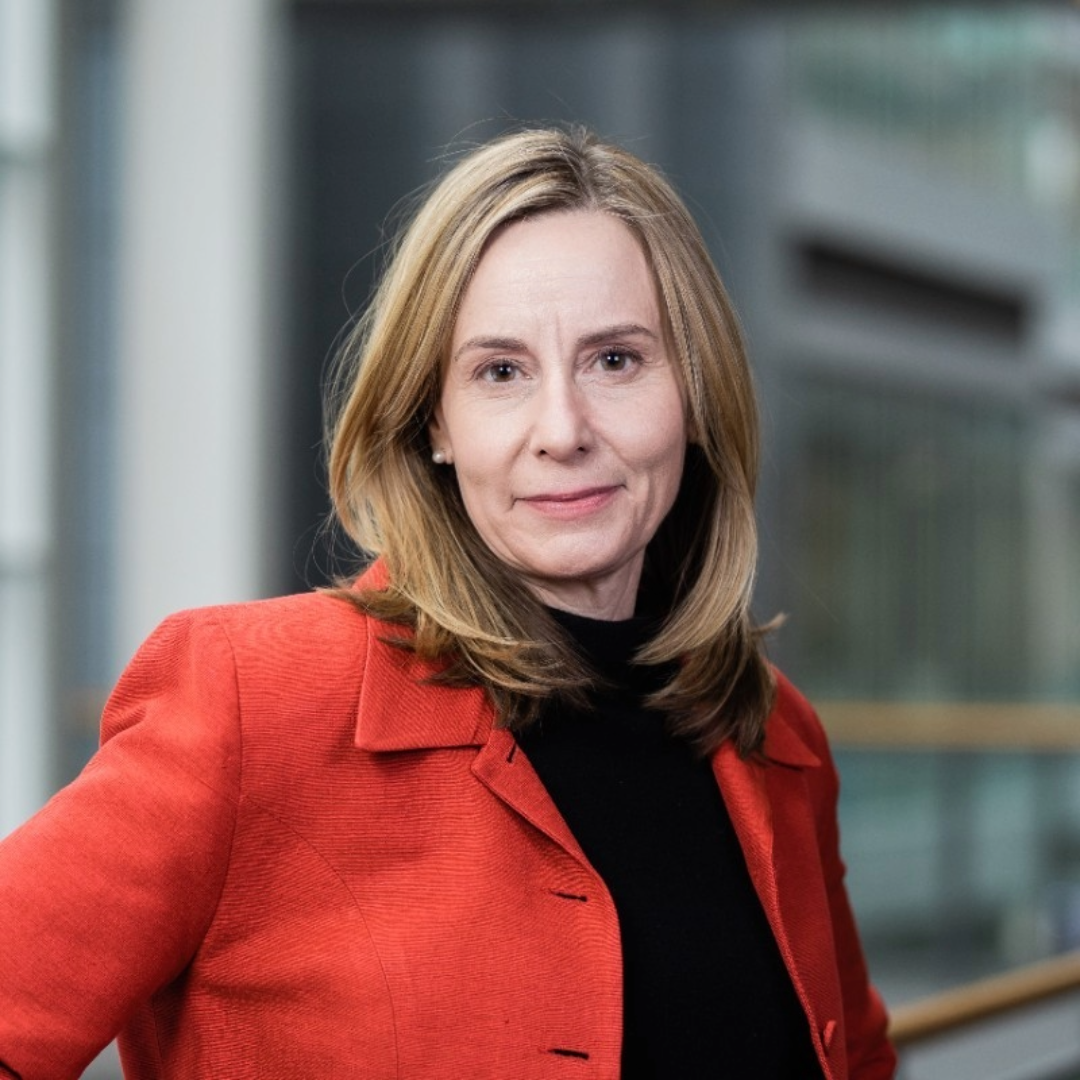
Rebecca Finlay / Jul 1, 2026Rebecca Finlay is CEO of the Partnership on AI.
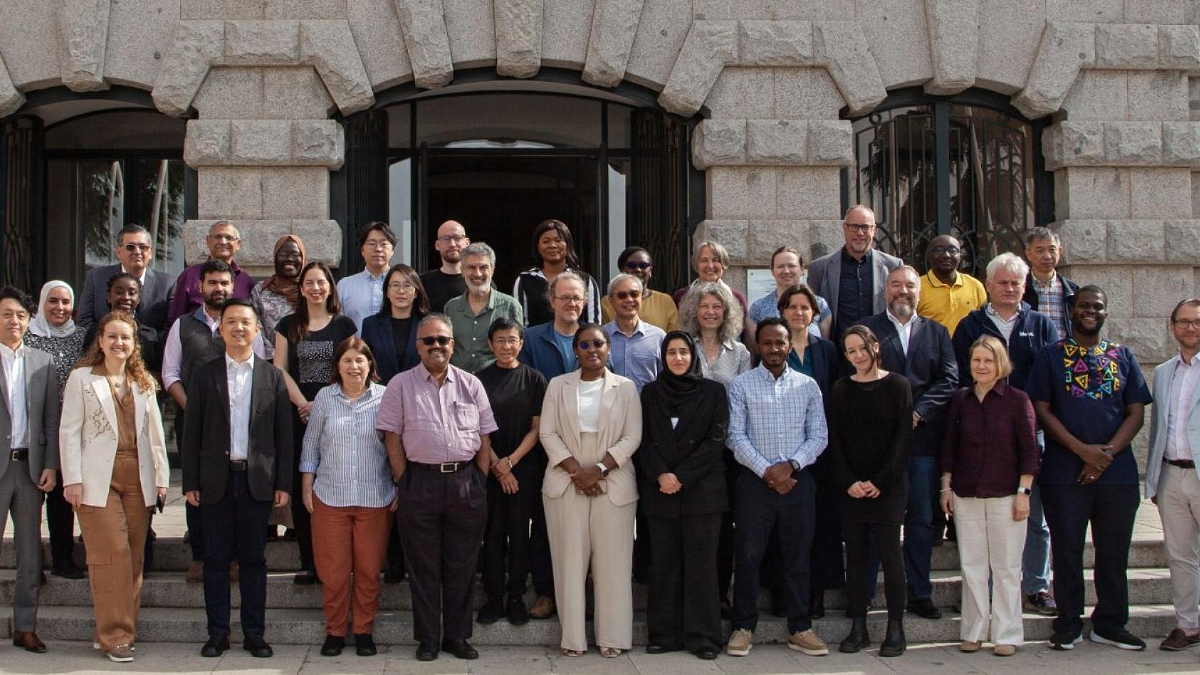
Members of the UN Independent International Scientific Panel on AI. Source
When world leaders gathered for last month's G7, the image of a table set for heads of state and tech CEOs with the rest of the world looking on was striking. The future of AI, it seemed, was a conversation between the powerful and the more powerful.
Today offered a different picture. The UN's Scientific Panel on AI—established by resolution of all 193 UN member states and comprising 40 researchers from across disciplines and regions released the first assessment of AI and its implications for humanity.
That contrast points to a choice about who gets to set the terms for a technology that affects all of our lives. Governance can be shaped behind closed doors, or we can build the independent, international scientific foundation that policymakers and citizens everywhere need to define responsible AI in the public interest.
Shared scientific foundations are what makes durable action possible. Aviation became the world's safest form of transport because governments chose to build it together. In 1944, they established ICAO, the UN agency that replaced a patchwork of fragmented national rules with a single global framework, contributing to a dramatic decline in accident rates worldwide over time.
Next week's inaugural UN Global Dialogue on AI in Geneva marks a similar opportunity to create a shared foundation that travels across borders.
Investing in building an international scientific consensus is an important first step. Rigorous analysis produces findings that can be tested and challenged. But rigor alone is not enough. Science also needs to be transparent, in that it is published, debated, scrutinized, and revised.
That's how science works. It isn't perfect, but it doesn't have to be.
CERN (the European Organization for Nuclear Research) has spent seven decades showing what is possible when nations choose shared scientific infrastructure over national competition.
Across the board, policymakers are having to make consequential decisions about AI policy with limited transparency and a lack of verified measurements, evaluations and technical standards. It is as if we are regulating road safety without agreed speed limits, crash tests, or even a shared basic definition of what a car is.
The public is also concerned, as anxiety about the effects of AI on work and communities are rising.
How then do we lay the groundwork for international action starting with Geneva? As co-lead of the Safe, Secure and Trustworthy AI session, I firmly believe one measure of success is whether Geneva leaves us with a shared commitment to rigorous, inclusive scientific consensus-building. That means three things.
First, building coherence across efforts that have been largely moving in isolation, such as the UK-funded State of AI Safety report, the Singapore Consensus on AI Safety Research Priorities, and the forthcoming Global South State of AI Safety Report.
The UN Scientific Panel and the UN Global Dialogue are designed to work together. The Panel builds the evidence base, and the Dialogue is the mechanism for translating that evidence into direction for policymakers. Done well, a clear roadmap coming out of the Dialogue’s can be the connective tissue that binds all of these efforts into a shared foundation.
Second, strengthening the institutions already doing the evaluation work. The International Network for Advanced AI Measurement, Evaluation and Science represents one of the most tangible policy innovations of the AI Summit Series. Linking the work of the institutes with the UN Scientific Panel creates an opportunity to define what we measure, and how we measure, through a more global understanding of responsible AI.
Third, committing to building the infrastructure to advance open science. Consequential breakthroughs in human history, including the human genome, climate models, and protein structures, happened when research was done openly. Transparency doesn't slow progress. It is what makes progress verifiable, credible, and worth defending.
Geneva offers the governments, scientists, and civil society organisations gathered this week the opportunity to turn responsible AI from a catchphrase into a roadmap people can see, measure, and hold us to. The UN is not a perfect institution, but no other body brings the international reach to answer this question.
As AI is rapidly reshaping our workplaces, our schools, and our homes, we still have time to shape it in return. After many years working at the intersection of AI and public interest, I believe that AI will only go as far as trust takes it — and trust is built on clarity, evidence, and knowledge shared openly.
Authors