Can EU Action Against TikTok Rabbit Holes Lead to Real Social Media Design Change?
Lisa Dittmer / Nov 16, 2026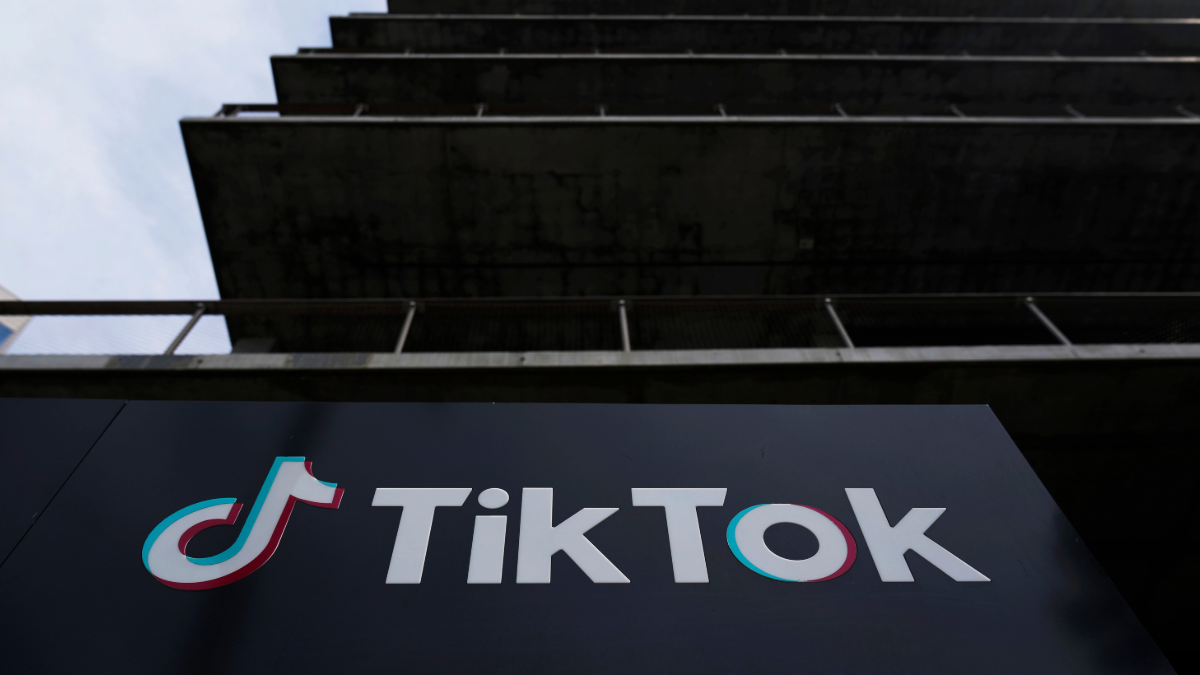
The TikTok Inc. building is seen in Culver City, Calif., Friday, March 17, 2023. (AP Photo/Damian Dovarganes, file)
The European Union’s executive preliminarily found TikTok in breach of the Digital Services Act (DSA) for failing to adequately assess and mitigate the risk of users falling into rabbit holes that could harm their well-being. The Commission particularly raised concern about young users’ and vulnerable adults’ repeated exposure to content that can negatively affect people’s mental health.
The TikTok case is the latest investigation by the EU under the Digital Services Act, focusing on the platform’s alleged issues with harmful rabbit holes created by design in its highly personalized ‘For You’ feed. It signals that regulators are finally demanding fundamental changes to the inherently toxic design shared by many of the leading social media platforms. It is time to stop tinkering around the edges and set out clear rules for a safer, rights-respecting tech landscape.
How TikTok’s “secret sauce” became a liability
The findings closely echo Amnesty International research, which documented in two major studies how TikTok’s ‘For You’ feed can draw children who engage with mental health-related videos into rabbit holes of depressive and suicidal content. Young people and bereaved parents shared with us how TikTok’s feed normalized and exacerbated teenagers’ struggles with depression and self-harm, with devastating consequences.
TikTok has led the charge in steering social media away from centering on people’s real-world connections towards algorithmically recommended content from strangers and celebrities, based on deeply privacy-intrusive user profiling. The platform takes pride in tailoring each “For You” feed to the individual user within minutes.
In some cases, as our research shows, that can mean taking a child’s account from initial contact with a few sad videos to a stream of depressive videos including suicidal ideation content within less than an hour. Research from the Molly Rose Foundation similarly warned of an increase in risks to children’s safety on the platform between 2023 and 2025, despite the increased scrutiny the platform had come under. All of this underlines that solutions focused solely on “bad users,” parental controls, or teen bans will inevitably fail to create the kinds of safe and privacy-friendly platforms we all deserve, no matter our age.
TikTok has repeatedly disputed such findings, pointing to safety measures such as its Community Guidelines and user tools. Responding to the European Commission’s findings, a TikTok representative told the legal news platform MLex: “The Commission has made a series of statements that are fundamentally inaccurate and distort our platform's architecture and our commitment to user safety […] We have a strong record of protecting our community while giving users direct and intuitive control over their content experience.”
The company now has to formally respond to the Commission proceedings, adding to previous EU findings on addictive design and children’s safety.
Deadlocks, lots of pressure and a deceptively simple solution
The preliminary findings come amidst a heated global debate on how to ensure children’s online safety. Over 170,000 people mobilized around Amnesty International’s petition to make TikTok safer following the publication of our research in 2023.
Young people have been at the forefront of campaigning for design changes. Recently, multiple high-profile legal cases against Meta and TikTok in the United States reinvigorated optimism amongst campaigners after years of political deadlock in the US Congress. Yet over the last year, as pressure mounted, governments around the world, including a majority of EU member states, have pivoted towards teen social media bans as a quick-fix solution. They are choosing to “regulate children” rather than companies in a setback to more systemic reform approaches tackling the design and business model of Big Tech platforms.
As European regulators struggle to reconcile these competing approaches with an uneasy mix of new regulatory measures, including design requirements, controversial age assurance tools and parental controls, this “landmark case,” as a Commission spokesperson described it, is a welcome show of determination to tackle what matters: the overhaul of a business model that is built on the exploitation of people’s data, attention and vulnerabilities. TikTok is not the only platform that relies on this model, but it is the one that led the charge towards hyper-personalized feeds and it is only right for the Commission to start with it.
Tech optimism — with a plan
The DSA’s great achievement is its focus on systemic risks, the understanding that design choices are at the heart of our platform experiences and can profoundly impact our increasingly digital lives. Its great weakness is its slow enforcement process, which relies on platforms’ risk assessment and mitigation reports, putting regulators on the back foot to prove non-compliance without setting out sufficiently clear standards in the first place.
That is where this much-needed course correction needs to start. Between DSA enforcement and forthcoming new regulation (the proposed EU Kids Act and the Digital Fairness Act), European regulators must now set out binding standards for platform design against which companies must prove their safety and compliance with specific evidence rather than vague assurances.
These should build on a clear vision of what safe and rights-respecting social media platforms entail — by default, not hidden away in user options — including feeds built on expressly signaled preferences rather than intrusive profiling, an end to infinite scrolling and autoplay and accessible user tools that implement what people wish for rather than an illusion of agency.
With a clear diagnosis of the issue, there is now potential to not just curb the harms but build towards something better: Platforms built to serve people, not vice versa.
Authors