We Just Formed the Largest Tech Union in America. Here's How We Did It
Max Belasco / Jun 23, 2026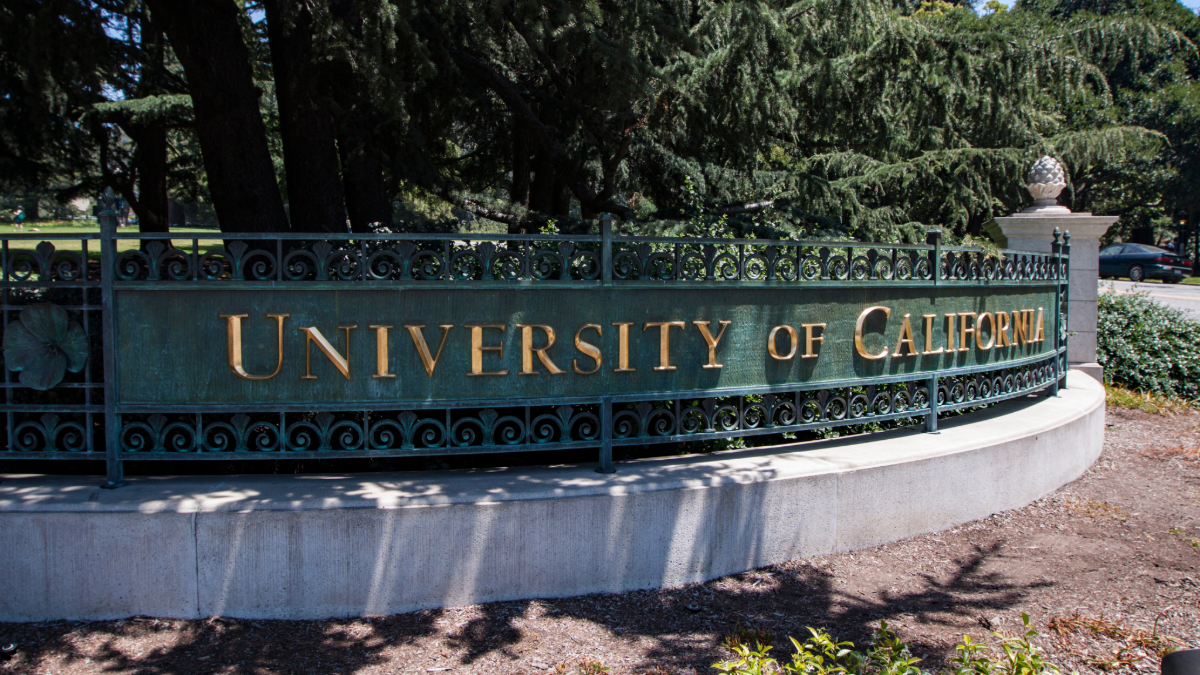
The sign of University of California at the entrance of Berkeley campus. Shutterstock
Last month, Meta laid off more than 8,000 employees in one fell swoop as it deploys AI. Layoffs in tech, by some estimates, have passed 148,000 since the start of the year and are on track to surpass 2025. Polls show widespread fears and cynicism about how AI will change society.
As IT workers at the University of California, we’re not going to stand by and watch as this powerful technology is used in dubious ways. Even OpenAI CEO Sam Altman recognizes that many people are justifiably asking, “What is my economic future? What is my agency?”
At UC, we’re answering those questions by unionizing: bolstering our professional security and establishing a seat at the table where decision-making happens.
On May 21, we submitted paperwork to the California Public Employment Relations Board seeking recognition of an enlarged IT bargaining unit as part of University and Professional and Technical Employees (UPTE). We added 2,100 employees to the unit, for a new total of 8,400 IT employees spread across California. To our knowledge, this makes us the largest tech union in the United States. Our victory comes after months of bottom-up union organizing.
Tech is a notoriously anti-union space, with collective bargaining rates that hover in the single digits. But it doesn’t have to be this way. Our contract delivers better pay, protections against unilateral layoffs, remote work support, and the ability to bargain over the deployment of AI.
Unfortunately, this type of job security is almost unheard of in the tech sector today.
So how did we do it? Our campaign began with identifying what is most important to tech workers. We had hundreds of conversations at worksites and in virtual meetings, and knocked on hundreds of physical front doors. By doing this we were able to have real, honest conversations about the state of our work, often with colleagues we had only known from an email thread or a Slack conversation. These conversations made us realize that our IT departments, often siloed and separated from each other, were experiencing similar problems across the state. We launched a workplace survey and found that 65 percent of respondents are being asked by UC to take on additional work due to staffing shortages. IT professionals worried these vacancies would be turned over to AI. Only 22 percent felt secure in their positions.
This growing sense of insecurity is manufactured, not inevitable. Across our ten campuses, we can see for ourselves the enormous wealth being generated by these technologies. The University of California is constantly investing in fancy new buildings; it sits on some $26 billion in liquid and short-term capital and a staggering $41 billion in endowments.
The university’s enormous wealth must serve the public good. In our conversations with application developers, instructional designers, data systems analysts and others, a theme emerged: we identify strongly with UC’s mission of public service, and we are passionate about using technology to enable learning and discovery. We feel a sense of accountability to all Californians (not shareholders). We have an opportunity to model how to use technology to deliver public excellence — not slop and a race to nowhere.
If we are an institution committed to public excellence, why are we leaving these critical decisions to people who couldn’t patch a server or debug code to save their lives? Are they responsible for managing dashboards and data pipelines that make the university’s services work? When was the last time they stayed in a server room all night performing server updates? These services are too important to the public to be left in the hands of private sector consultants. We need people with the day-to-day understanding of these tools to have decision-making power.
Our counterparts in healthcare unions have set new quality standards across UC hospitals to increase patient safety. As tech workers, we can play a similar role when it comes to digital infrastructure and AI — ensuring these powerful technologies are used responsibly. We’ve already seen examples of universities rushing headlong into buzzword-driven AI transformation in ways that actually worsen the quality of education.
Throughout our organizing campaign, we created something new: not an app or device, but a new way of understanding our technological work, in which our conditions aren’t determined by false precarity. We’re demonstrating how to do technology differently in the public sector — that by standing together in solidarity, we can set a new standard for our profession that can uplift all tech careers, private and public. Zuckerberg-style mass firings won’t fly at the University of California.
After all, unions built the middle class. As tech’s influence continues to grow, we’re going to need greater union density to take our future back from the tiny cohort of billionaires who think they run the world. Through unionizing at an industrial scale we can show the world that real innovation comes from creativity unlocked through job security, and genuine commitment to bettering the lives of working people. Organized people can defeat organized money. We’re proud of the example we’ve set — and we encourage tech workers across the country to take notice.
Authors