Who Really Controls Your Digital Likeness in the Age of AI Wearables? Not You.
Jannet Riveros Gomez, Samantha Nicole Spector / Jun 25, 2026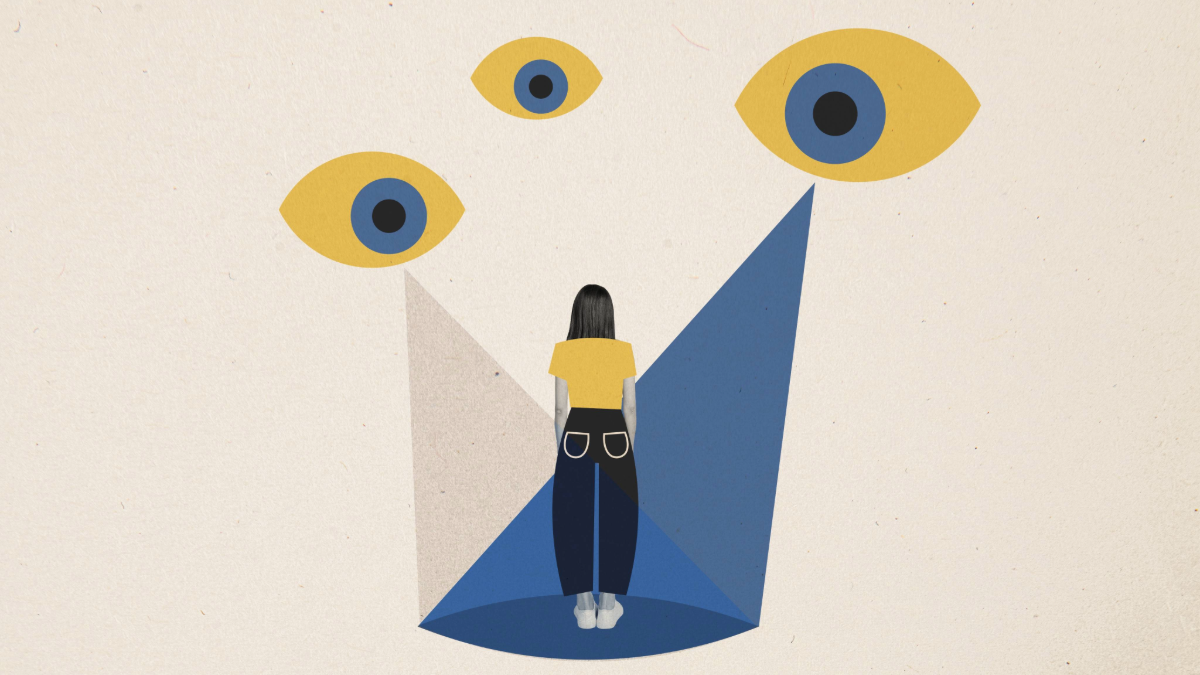
In February, during a trial at a Los Angeles courthouse on the addictive nature of social media, Judge Carolyn B. Kuhl threatened to hold Mark Zuckerberg’s team in contempt for wearing Meta glasses into the courtroom. Meta’s AI-powered smart glasses appear as normal eyewear but contain integrated small speakers, microphones, cameras and a small display with object/person recognition capabilities visible only to the wearer.
Meta’s glasses are not the only wearable devices to integrate artificial intelligence to enhance functionality. Bee Pioneer’s bracelet resembles a standard fitness tracker, but describes itself as a “personal AI that transforms conversations, tasks, locations and more into summaries, personal insights and timely reminders.” Omi’s necklace and glasses, Plaud’s NotePin and Limitless AI’s Pendant are marketed as tools that can record meetings and improve productivity. These are only a few examples of a rapidly developing technology, offered in various wearable formats.
Although wearable smart technology has been around for more than 50 years, recent generations of wearables differ from earlier recording devices by incorporating artificial intelligence capabilities that can generate notes, summaries, or assist with object and facial recognition. AI-powered glasses can capture audio and video, while simultaneously providing real-time AI analysis in a manner that is often not obvious to others.
While these functions may resemble those of a conventional camera recording people on the street, people do not expect someone wearing glasses, a pendant or a bracelet may be recording them. Even more so, they do not assume that their identifiable characteristics, like image, voice, or behavioral data, can be technologically replicated as a “digital likeness,” then collected, stored and potentially exploited by a company to train generative AI systems and shared with unknown third parties.
While these wearables are advertised in flowery language promising to “shape stories on the go” and capture special moments from the user’s perspective, this technology inevitably raises significant questions about where, when and to what extent individuals may be recorded. While Judge Kuhl banned the devices from her courtroom, most other public and private places will not have ready means to restrict the use of AI-powered wearables.
The development and potential ubiquity of these AI wearables heighten concerns about the rights of individuals unwittingly being recorded and about the implications of AI systems scanning and storing information on them. At stake are individuals’ voices, images, and other data.
Individuals recorded by AI-powered wearables have little to no legal protection. Current US civil causes of action, such as intrusion upon seclusion or various rights of publicity, provide only limited remedies for the capture and use of likeness by AI wearables. Most statutes require the claimant to prove an economic detriment in order to enforce such legal actions. In many cases, however, claimants may not be primarily concerned with pecuniary detriment from the use of their likenesses (unless they are celebrities or others with economic value in their likeness already), but rather the data harvesting of personal information, practices that have become normalized and whose limits are often defined by technology companies themselves.
Going straight to the source, Meta’s AI policy states that while Generative AI is not a database or static collection of information, it is a combination of sources used for training effective models, which includes information shared on Meta Products, which may include personal information.
The company specifically provides:
Even if you don’t use our Products or have an account, we may still process information about you to develop and improve AI at Meta. For example, this could happen if you appear anywhere in an image shared on our Products by someone who does not use them or if someone mentions information about you in posts or captions that they share on our Products.
Bee Pioneer’s bracelet, by contrast, recommends that its users “respect others by not recording without their permission.” But like Meta, it offers little recourse if a user disregards those recommendations and collects a bystander’s voice and later opts to upload that data to the company’s servers.
Similarly, Limitless states in its terms and conditions that consent is required from all the involved parties when using its product. It offers guides like “How to Ask for Consent and Let Others Know You Are Recording.” But it is ultimately up to the user’s goodwill to delete conversations involving people who did not consent or were not parties to the interaction.
While these guides and policies could be interpreted as an effort to mitigate the misuse of AI-powered recording devices, they generally provide no formal enforcement mechanism for deleting data associated with the digital likeness of non-consenting parties. Limitless, for example, states that it will use “commercial reasonable efforts” to delete information collected about any child under 13 years of age. However, when it comes to aggrieved non-users outside of that category who have been recorded by wearable devices, the suggested remedy for these companies is typically “contact the person who recorded you.”
At the same time, companies such as Meta outline in their policies that information captured by their product may be used to train their AI model and shared with third parties, including vendors or service providers, even if the company disclaims sharing such information for marketing purposes. There is also no formal recourse if a wearable is lost or stolen, which opens the door to more opportunities for the exploitation of a digital likeness.
If AI wearable creators are able to at least offer “commercially reasonable efforts” to delete information of any child under 13 years of age, why is this not available for the general public who did not consent to their digital likeness being captured by inconspicuous products?
The issue, therefore, is not a lack of technology and resources for the companies. Rather, the rise of AI wearables exposes a fundamental gap in privacy law, specifically the lack of clear legal protections pertaining to data privacy, the capture of digital likenesses of non-consenting parties, and the ability of AI companies to use this data to benefit their AI training.
Without providing a safe harbor for individuals who wish to keep their image, voice, or likeness private, and without meaningful restrictions on how companies collect, access, and use such information, the public remains vulnerable. In the absence of action by companies or a clear legal framework protecting digital likeness, everyone, not just users of these products, is vulnerable to their digital likeness being exploited without their knowledge or consent.
Authors