Tech Policy Press: The Year in Books 2025
Justin Hendrix / Dec 22, 2025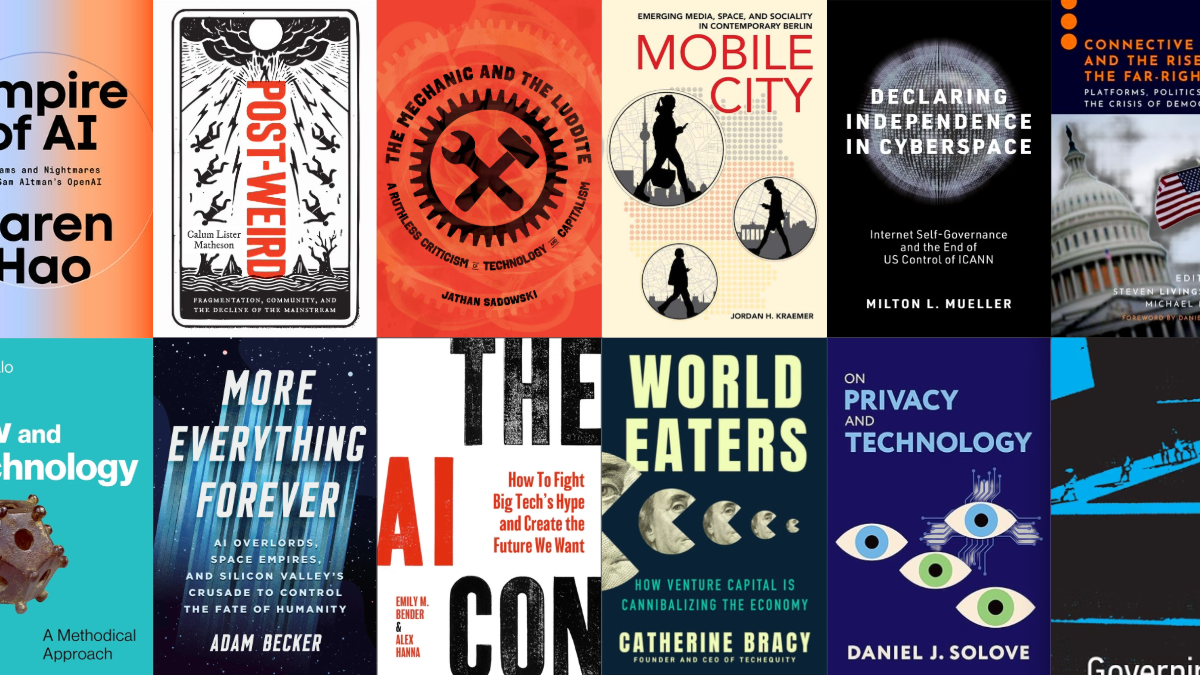
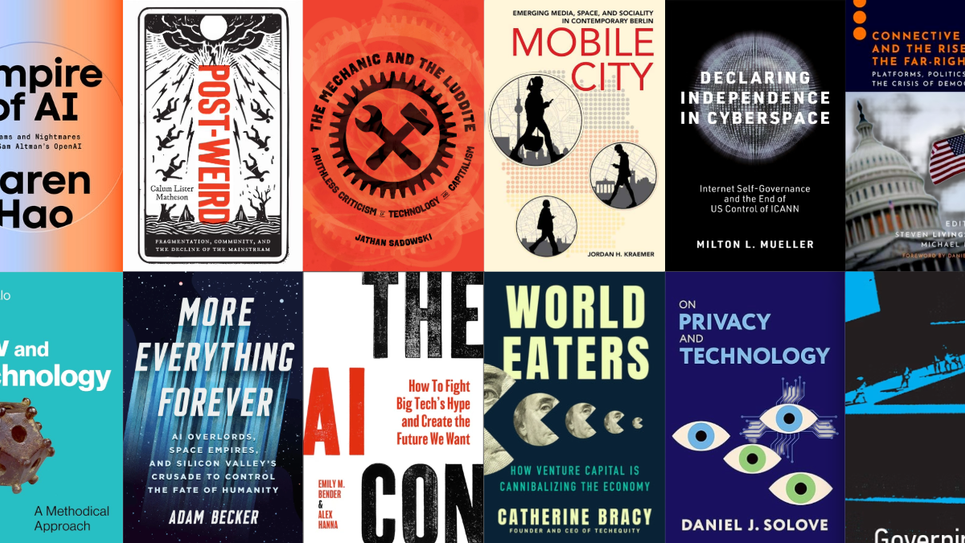
For many, the end of the year is an opportunity to catch up on reading or to purchase books as gifts. In 2025, a number of authors joined the Tech Policy Press podcast, providing fresh insights into how technology interacts with people, politics, and power. The following is a list of the books we featured, in reverse chronological order.
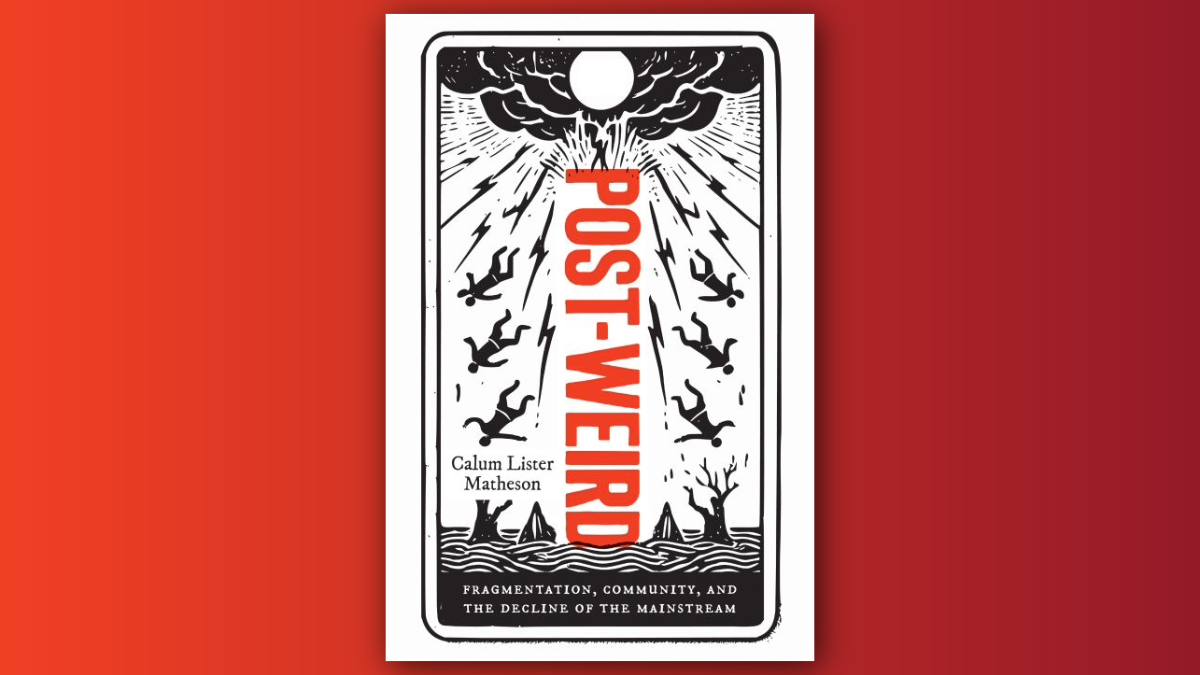
1. Post-Weird: Fragmentation, Community, and the Decline of the Mainstream
Rutgers University Press
Calum Lister Matheson is an associate professor and chair of the Department of Communication at the University of Pittsburgh and a faculty member of the Pittsburgh Psychoanalytic Center. His book, Post-Weird: Fragmentation, Community, and the Decline of the Mainstream, searches for insights into the seemingly inexplicable behaviors of communities such as serpent handlers, pro-anorexia groups, believers in pseudoscience, and conspiracy theorists.
Listen to the podcast | Buy the book
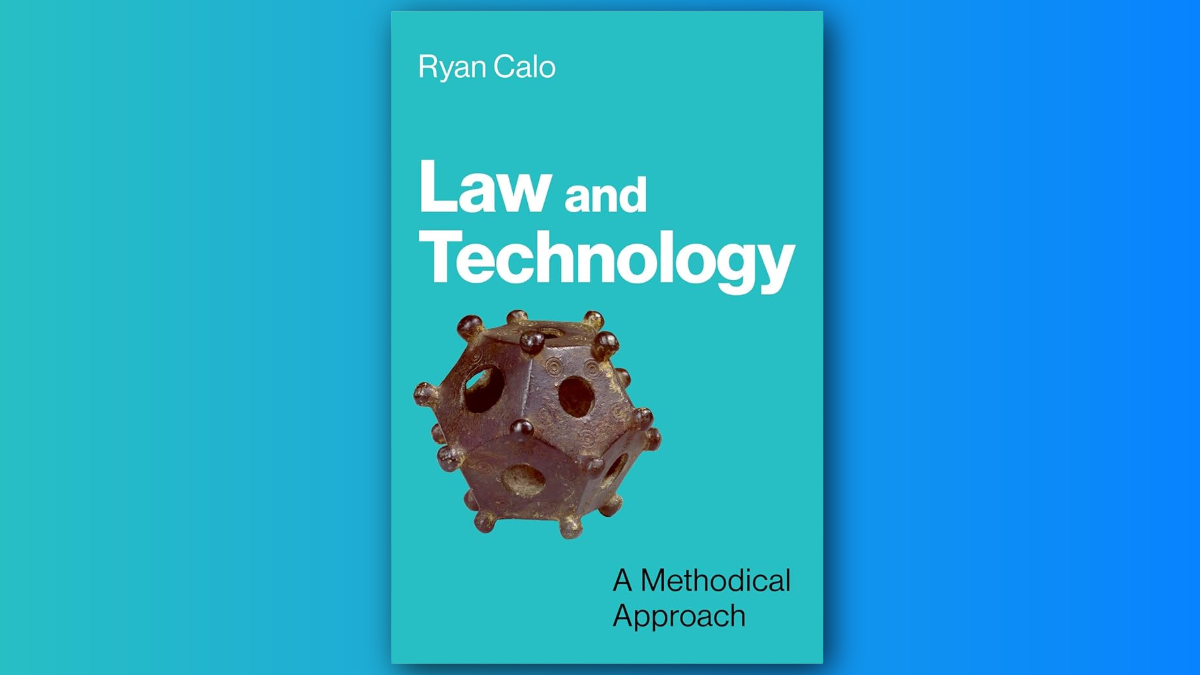
2. Law and Technology: A Methodical Approach
Oxford University Press
Ryan Calo is a professor at the University of Washington School of Law with a joint appointment at the Information School and an adjunct appointment at the Paul G. Allen School of Computer Science and Engineering. His book, Law and Technology: A Methodical Approach, argues that if the purpose of technology is to expand human capabilities and affordances in the name of innovation, the purpose of law is to establish the expectations, incentives, and boundaries that guide that expansion toward human flourishing. The book "calls for a proactive legal scholarship that inventories societal values and configures technology accordingly."
Listen to the podcast | Buy the book
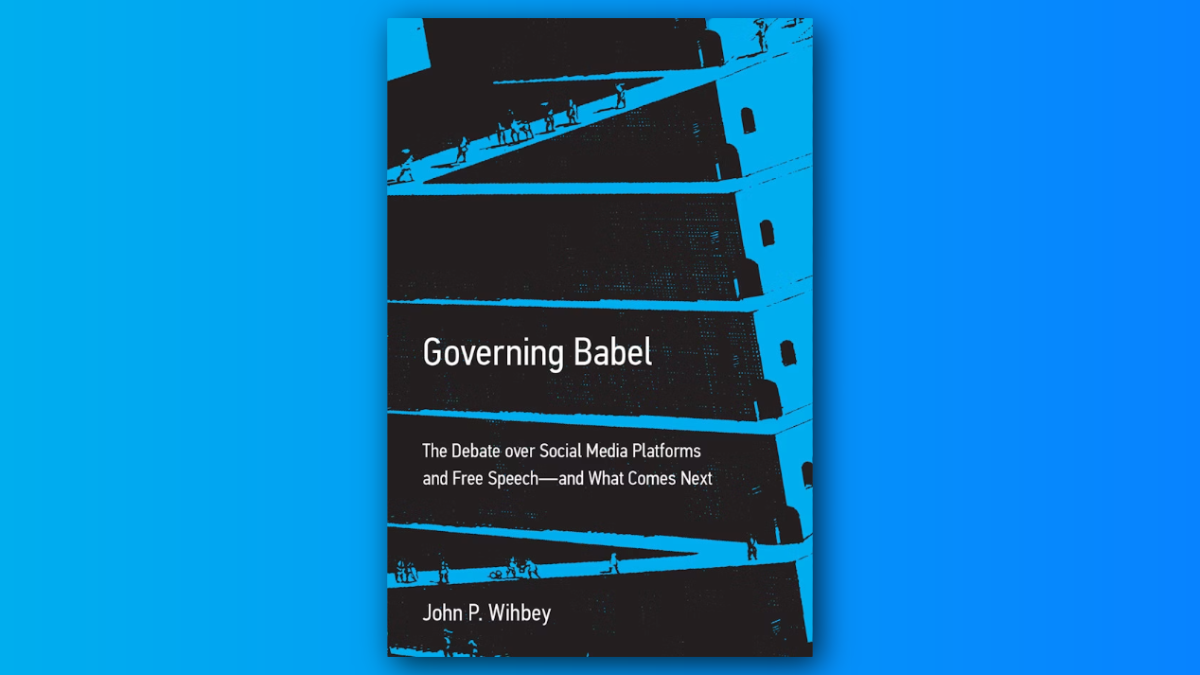
3. Governing Babel: The Debate Over Social Media Platforms and Free Speech—and What Comes Next
MIT Press
John Wihbey, an associate professor of media Innovation at Northeastern University, is the author of Governing Babel: The Debate Over Social Media Platforms and Free Speech—And What Comes Next. The book tries to find an answer to how we can create the space to imagine a different information environment that promotes democracy and consensus rather than division and violence.
Listen to the podcast | Buy the book
4. Seeing Like a Platform: An Inquiry into the Condition of Digital Modernity
Routledge
Petter Törnberg and Justus Uitermark are the authors of Seeing Like a Platform: An Inquiry into the Condition of Digital Modernity, a book that sets out to address the “entanglement of epistemology, technology, and politics in digital modernity,” and what studying that entanglement can tell us about the workings of power. The book is part of a series of research monographs that intend to encourage social scientists to embrace a “complex systems approach to studying the social world.”
Listen to the podcast | Buy the book
5. Connective Action and the Rise of the Far-Right: Platforms, Politics, and the Crisis of Democracy

Oxford University Press
In Connective Action and the Rise of the Far-Right: Platforms, Politics, and the Crisis of Democracy, a group of scholars from varied research traditions set out to find new ways to marry more traditional political science with computational social science approaches to understand the phenomenon of democratic backsliding and to bring some clarity to the present moment, particularly in the United States. The book was edited by Steven Livingston, a professor and founding director of the Institute for Data Democracy and Politics at the George Washington University, and Michael Miller, managing director of the Moynihan Center at the City College of New York.
Listen to the podcast | Buy the book
6. The New India: Modi, Nationalism, and the Unmaking of the World's Largest Democracy
Public Affairs
Rahul Bhatia is the author of a book that is part journalistic account, part history, and part memoir that tries to get at the root causes of the India’s political situation. It’s titled The New India: Modi, Nationalism, and the Unmaking of the World's Largest Democracy. The New York Times called The New India one of the ‘100 Notable Books of 2024, NPR selected it as one of the best books of the year, and it was named best non-fiction book of the year by the Kerala Literature Festival, which is Asia's largest literary festival.
Listen to the podcast | Buy the book
7. On Privacy and Technology
Oxford University Press
Daniel J. Solove is the Eugene L. and Barbara A. Bernard Professor of Intellectual Property and Technology Law at the George Washington University Law School. The project of his latest book, On Privacy and Technology, is to synthesize twenty five years of thinking about privacy into a “succinct and accessible” volume and to help the reader understand “the relationship between law, technology, and privacy” in a rapidly changing world.
Listen to the podcast | Buy the book
8. The AI Con: How to Fight Big Tech’s Hype and Create the Future We Want
HarperCollins
Emily M. Bender and Alex Hanna are the authors of The AI Con: How to Fight Big Tech’s Hype and Create the Future We Want, a book that The Guardian calls “refreshingly sarcastic” and Business Insider calls a “funny and irreverent deconstruction of AI.” The book is a "joyful collaboration between a linguist and a sociologist," and the authors hope to help the public at large decision makers at all levels become resistant to AI hype.
Listen to the podcast | Buy the book
9. Empire of AI: Dreams and Nightmares in Sam Altman’s OpenAI
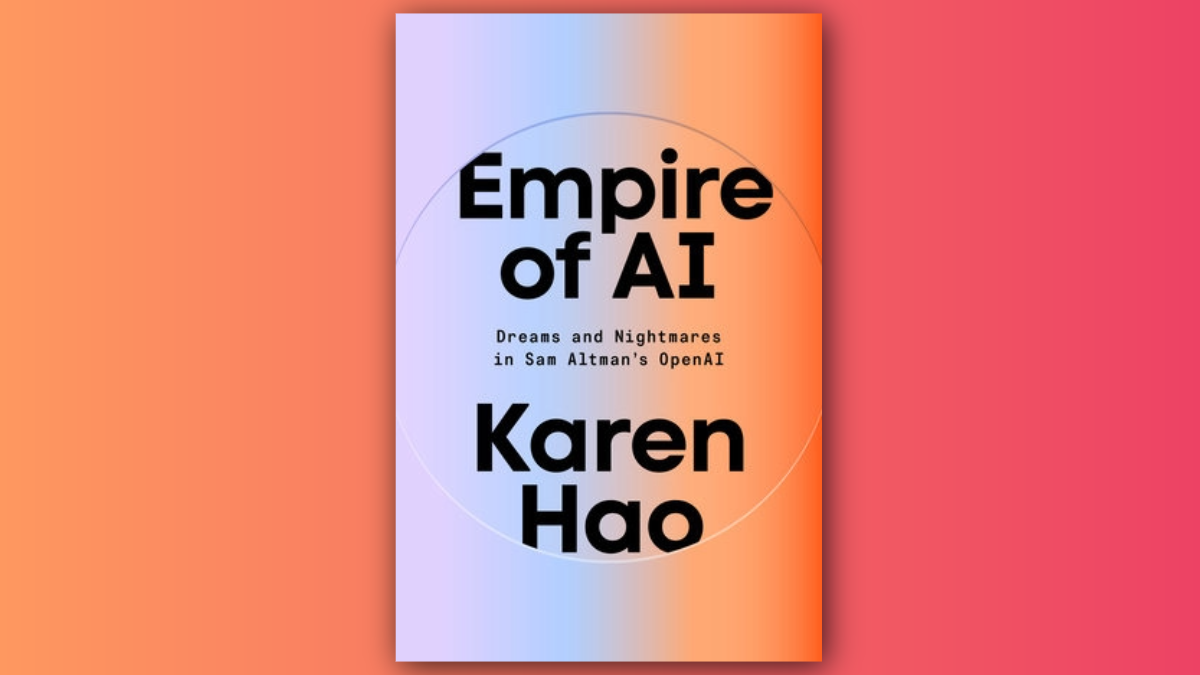
Penguin Press
In his New York Times review, Columbia Law School professor and former White House official Tim Wu calls journalist Karen Hao’s book, Empire of AI: Dreams and Nightmares in Sam Altman’s OpenAI, “a corrective to tech journalism that rarely leaves Silicon Valley.” This book is one of the must-reads of 2025, and will serve as a reference for years to come.
Listen to the podcast | Buy the book
10. Declaring Independence in Cyberspace: Internet Self-Governance and the End of US Control of ICANN
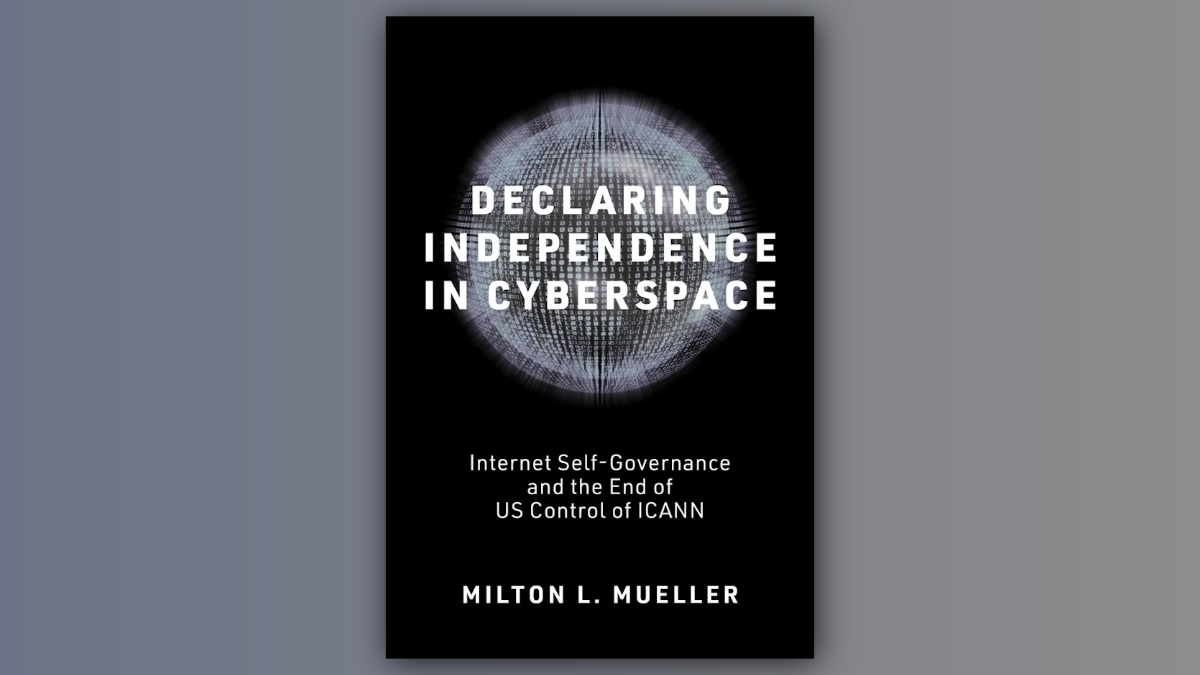
MIT Press
Milton L. Mueller, a professor at the Georgia Institute of Technology in the School of Public Policy and the head of an advocacy policy analysis group called the Internet Governance Project, is the author of Declaring Independence in Cyberspace: Internet Self-Governance and the End of US Control of ICANN, a book that tells the story of how and why the US government gave up its control of ICANN, a key internet governance institution responsible for internet names, numbers, and protocols. That history tells us a lot about where we are today when it comes to the broader geopolitics and governance of technology, and it has implications for the governance fights ahead, including over artificial intelligence.
Listen to the podcast | Buy the book
11. World Eaters: How Venture Capital is Cannibalizing the Economy
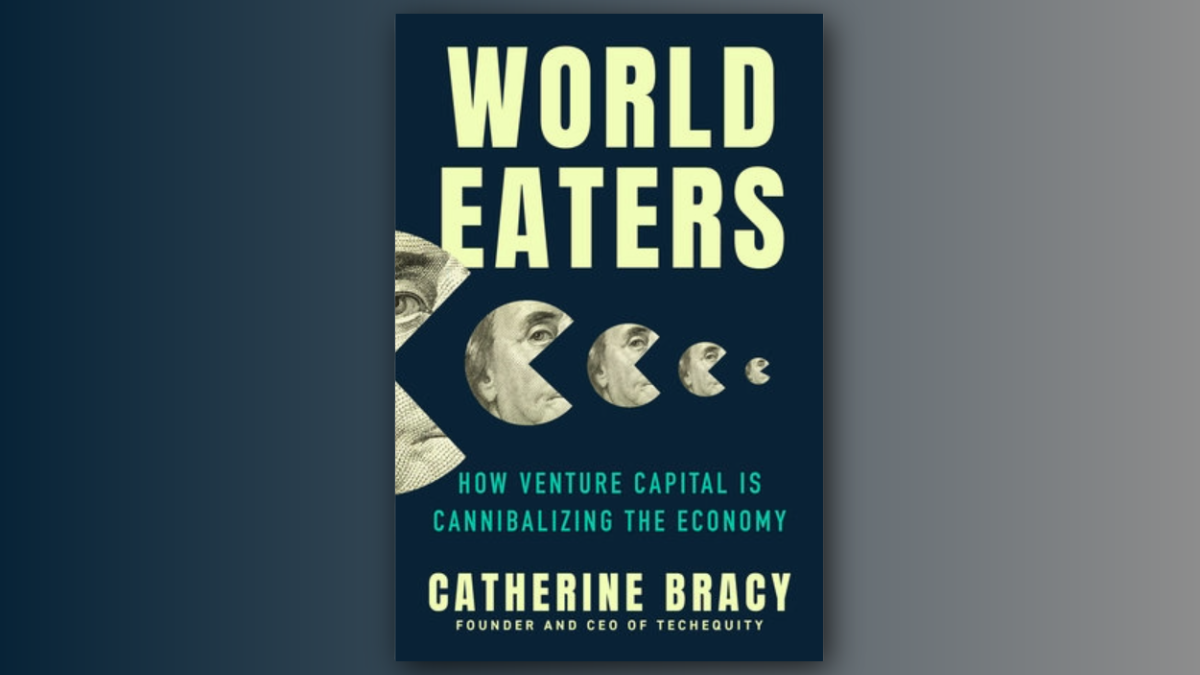
Dutton
Catherine Bracy is a civic technologist and community organizer whose work focuses on the intersection of technology and political and economic inequality. In her book, World Eaters: How Venture Capital is Cannibalizing the Economy, she suggests how the venture capital industry must be reformed to deliver true innovation that advances society rather than merely outsized returns for an increasingly homogenous set of investors.
Listen to the podcast | Buy the book
12. MORE EVERYTHING FOREVER: AI Overlords, Space Empires, and Silicon Valley’s Crusade to Control the Fate of Humanity
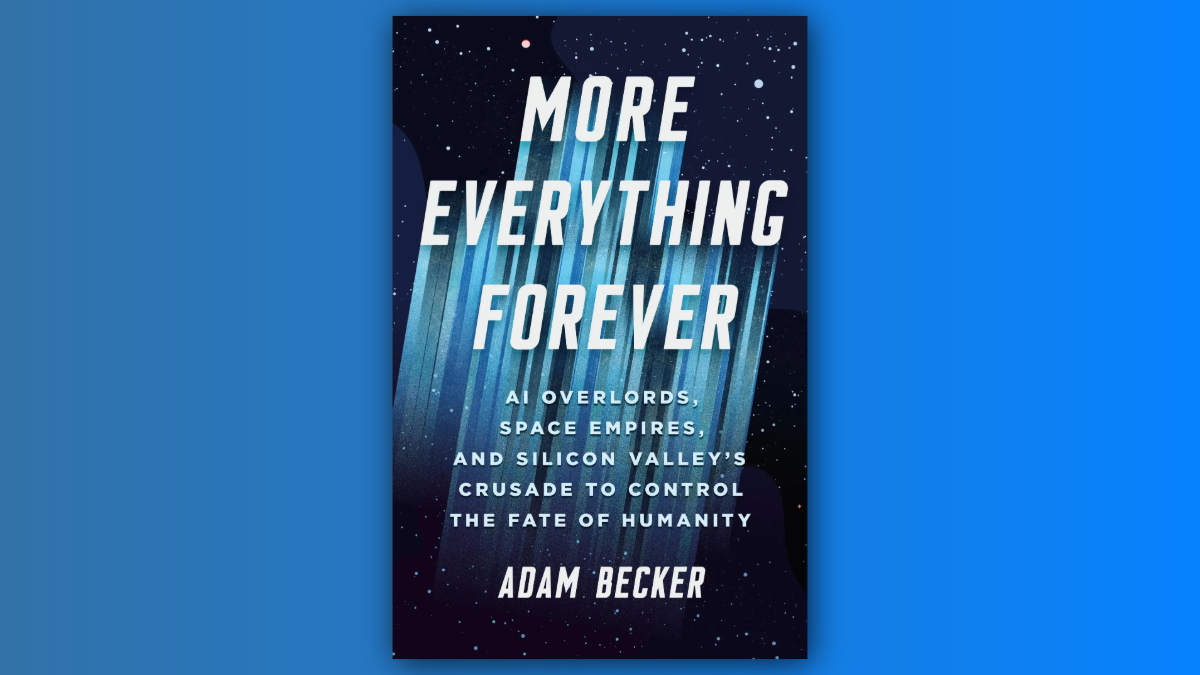
Basic Books
From visions of AI paradise to the project to defeat death, many dangerous and unscientific ideas are driving Silicon Valley leaders. Adam Becker is a science journalist and author of MORE EVERYTHING FOREVER: AI Overlords, Space Empires, and Silicon Valley’s Crusade to Control the Fate of Humanity, a book that chronicles the stew of nonsense that informs and motivates many of tech’s leaders. This is one of the most enjoyable reads on an otherwise serious subject this year.
Listen to the podcast | Buy the book
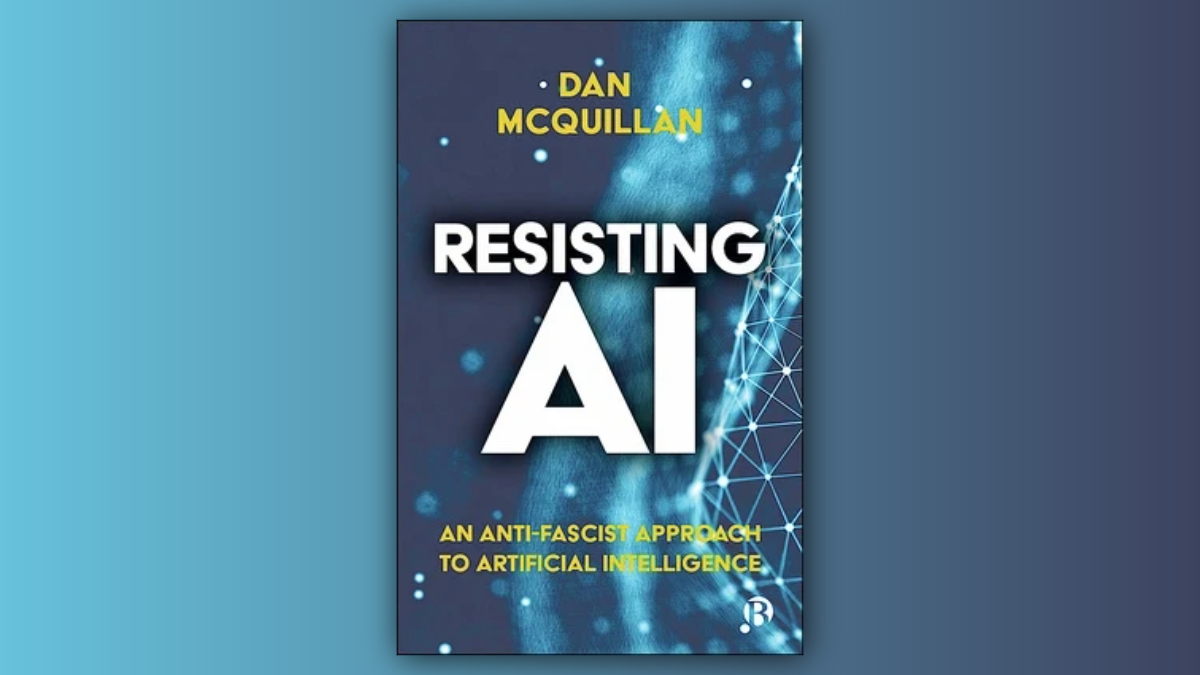
13. Resisting AI: An Anti-fascist Approach to Artificial Intelligence
Bristol University Press
What is necessary to develop a future that is less hospitable to authoritarianism and, indeed, to fascism? How do we build collective power against authoritarian forms of corporate and state power? Is an alternative form of computing possible? Dan McQuillan is the author of Resisting AI: An Anti-fascist Approach to Artificial Intelligence, a book that seeks to answer these questions and more.
Listen to the podcast | Buy the book
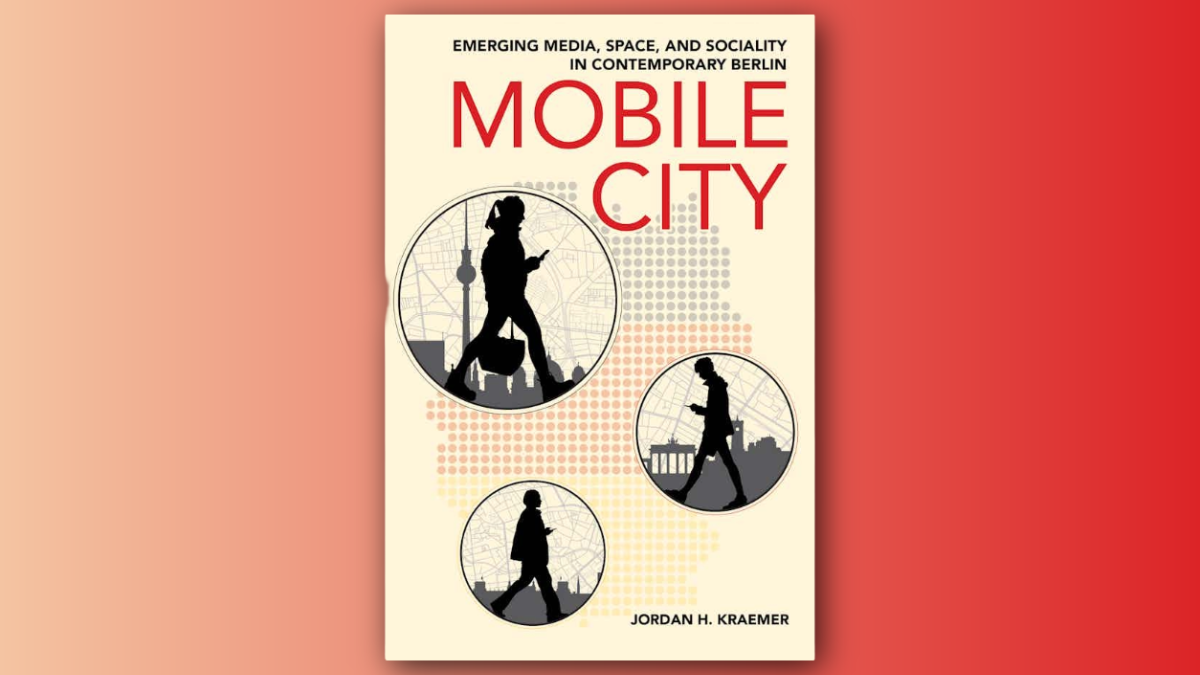
14. Mobile City: Emerging Media, Space, and Sociality in Contemporary Berlin
Cornell University Press
Over the last two decades, as Berlin reinvented itself as a "creative city," social media both mirrored and shaped shifting social landscapes—offering new possibilities while also reinforcing inequalities. How did digital media practices reshape urban life? And what can Berlin’s story tell us about the broader relationship between technology, culture, and the places we live? Jordan H. Kraemer is the author of a book that tries to answer these questions and more called Mobile City: Emerging Media, Space, and Sociality in Contemporary Berlin.
Listen to the podcast | Buy the book
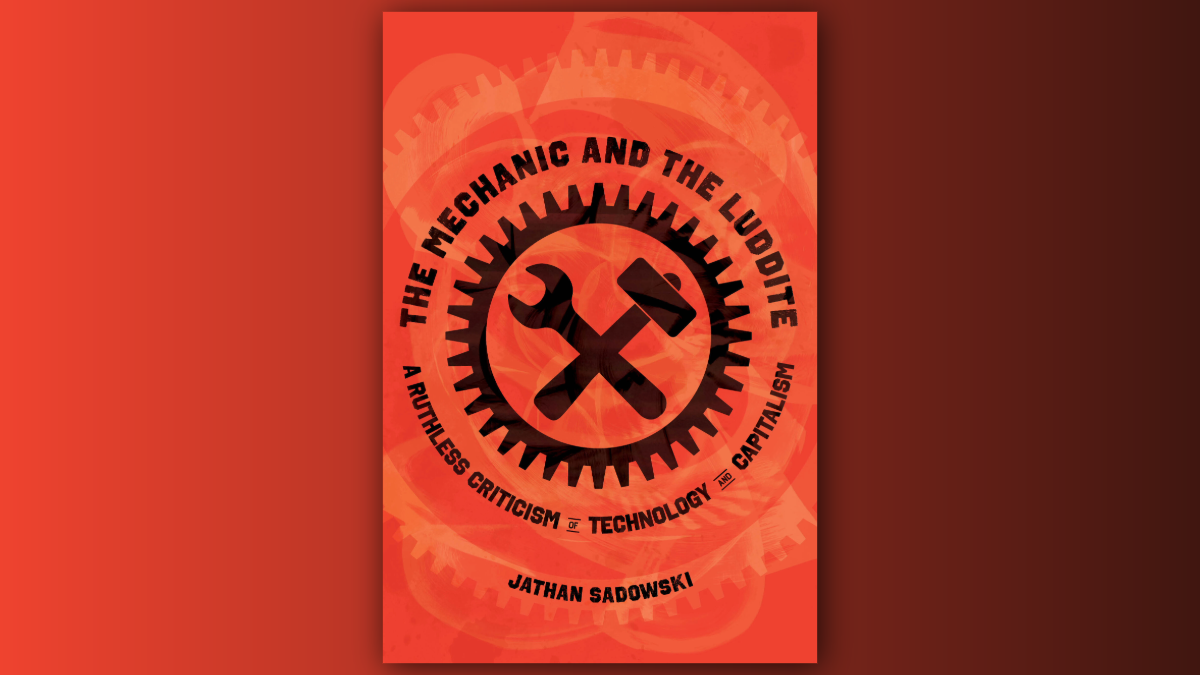
15. The Mechanic and the Luddite: A Ruthless Criticism of Technology and Capitalism
University of California Press
Jathan Sadowski is a senior lecturer in the faculty of Information Technology at Monash University in Melbourne, Australia and co-host of This Machine Kills, a weekly podcast on technology and political economy. Sadowski is the author of The Mechanic and the Luddite: A Ruthless Criticism of Technology and Capitalism. He says that right now, technology escapes even the bare minimum of public accountability–let alone public control–that we demand from other forms of power.
Authors